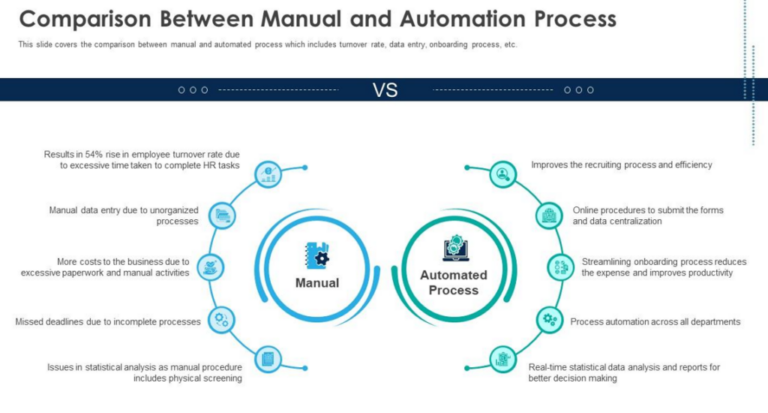
Many small businesses don’t realise how much time is lost every week to manual tasks.
Copying data, updating spreadsheets, and sending the same emails all feel small in isolation, but over time they add up to hours of wasted effort and unnecessary errors.
The good news is that these are often the easiest tasks to automate.
Here are five manual tasks most businesses should look at first.
1. Copying data between systems
If information is being entered into more than one system, for example from Excel into accounting software or a CRM, this is a clear automation opportunity.
Why it happens:
Businesses add tools over time, but the tools don’t talk to each other.
Automation example:
Data entered into a spreadsheet automatically syncs to your CRM or accounting system.
Business benefit:
Saves time
Reduces errors
Keeps systems consistent
2. Creating invoices manually
Manually creating invoices from spreadsheets or emails is slow and error-prone.
Why it happens:
Sales data and accounting systems aren’t connected.
Automation example:
When a sale is marked as complete, an invoice is automatically created and sent.
Business benefit:
Faster invoicing
Improved cash flow
Fewer mistakes
3. Sending repetitive emails
Confirmation emails, follow-ups, and reminders often don’t need manual sending.
Why it happens:
Processes rely on people remembering to send them.
Automation example:
When a form is submitted or a status changes, an email is sent automatically.
Business benefit:
Consistent communication
Less admin work
Better customer experience

4. Updating spreadsheets manually
Spreadsheets are powerful, but manually updating them is time-consuming.
Why it happens:
Data lives in emails, CRMs, or other systems.
Automation example:
Dashboards update automatically as new data comes in.
Business benefit:
Real-time visibility
Less manual effort
Better decision-making
5. Approval processes
Chasing approvals for quotes, expenses, or requests wastes time.
Why it happens:
Approvals rely on emails and reminders.
Automation example:
Requests are automatically routed to the right person with notifications.
Business benefit:
Faster decisions
Clear audit trail
Less chasing
Final thought
Automation doesn’t have to be complex or expensive.
Starting with small, high-impact tasks can free up time quickly and allow teams to focus on more valuable work.
If any of these examples feel familiar, it’s usually a sign automation could help.
Curious where automation could help your business?
Learn more at enableautomationuk.co.uk